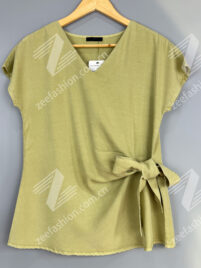

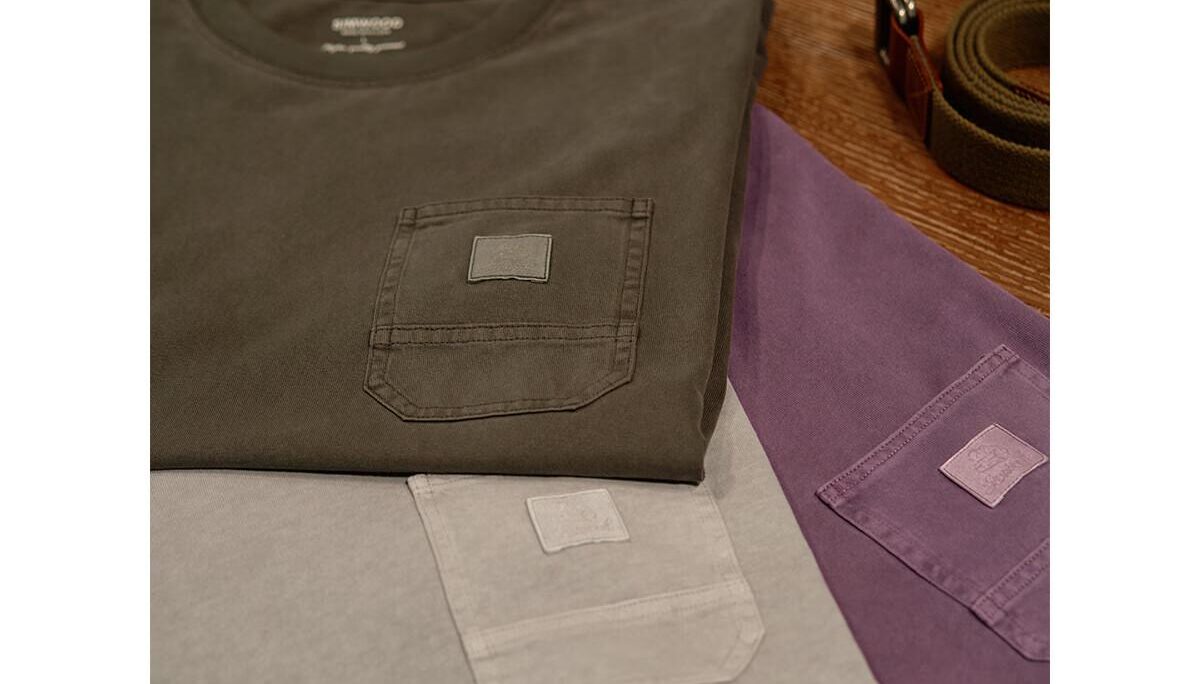
In the realm of textile customization, reactive dyeing for finished garments emerges as a transformative force, challenging the limitations of traditional pre-cut fabric dyeing. This technique, focused on coloring fully assembled apparel, marries technical precision with creative flexibility, making it a cornerstone for brands and creators aiming to deliver unique, long-lasting color solutions.
What distinguishes reactive dyeing in this context is its fiber-specific chemistry. Reactive dyes are engineered to target natural and regenerated cellulose fibers—think cotton, hemp, or Tencel—by forming irreversible bonds with their molecular structure. Unlike pigment-based dyes that sit on the fiber surface, these bonds penetrate deep, creating colors that withstand not just washes, but the wear and tear of daily life. A jeans jacket dyed with reactive dyes, for instance, retains its depth even after months of use, resisting the dulling that plagues lesser-dyed garments.
The process is a dance of variables, demanding a keen understanding of both the garment’s composition and the dye’s behavior. Before dyeing, each piece undergoes a careful assessment: fabric blends, stitching materials, and even trims like zippers or patches are evaluated to ensure compatibility. A cotton shirt with polyester thread, for example, requires adjustments to prevent uneven uptake, as reactive dyes favor natural fibers over synthetics.
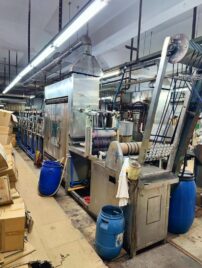
Once prepped, garments enter controlled dye baths where temperature, pH, and dye concentration are calibrated to the target shade. This isn’t a one-size-fits-all approach—achieving a soft pastels requires a delicate balance of dilute dyes and gentle temperatures, while bold primaries demand higher concentrations and precise alkali activation to lock in intensity. Post-dyeing, rigorous rinsing and conditioning steps remove loose dye particles, ensuring the final color is both vibrant and stable.
Beyond durability, reactive dyeing for garments excels in adaptability. For small-batch designers, it eliminates the need to commit to large fabric dye runs, allowing for on-demand color experimentation. Vintage retailers leverage it to restore faded classics, turning a sun-bleached dress into a rich, period-accurate hue. Even in mass production, it offers a lifeline for correcting minor color inconsistencies, reducing waste by salvaging garments that might otherwise be discarded.
Yet, it’s not without challenges. The technique struggles with heavily blended fabrics; a 50/50 cotton-polyester shirt, for example, may end up with a muted, uneven tone. Dark-to-light transformations also remain elusive, as reactive dyes can’t effectively strip existing color—they work best to enhance or shift shades, not erase them.
As the industry leans into circular fashion, reactive dyeing’s role grows. By extending the lifespan of garments through recoloring, it aligns with sustainability goals, reducing the need for new production. Innovations like low-water dyeing machines and biodegradable reactive dyes further minimize its environmental footprint, proving that vivid color and eco-consciousness can coexist.
In the end, reactive dyeing for finished garments is more than a technical process—it’s a tool for reinvention. It turns ordinary apparel into personalized statements, rescues overlooked pieces from obsolescence, and ensures that color in fashion is not just seen, but felt—durably, vibrantly, and uniquely.