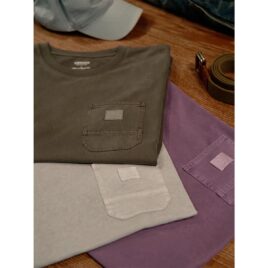

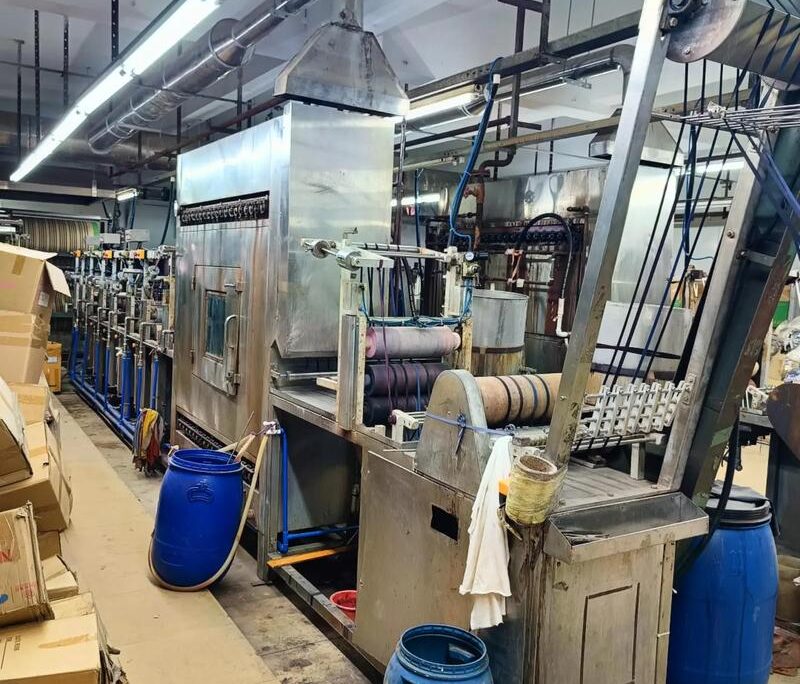
Garment reactive dyeing stands as a sophisticated technique in textile processing, tailored to infuse color into finished garments with exceptional vibrancy, durability, and versatility. Unlike fabric dyeing—done before cutting and sewing—this method targets fully constructed apparel, offering unique solutions for brands, manufacturers, and even individual consumers seeking customized or refreshed colors.
At its core, reactive dyeing relies on reactive dyes—specialized colorants that form covalent bonds with the fibers of natural fabrics like cotton, linen, hemp, and regenerated cellulose (e.g., modal or lyocell). This chemical bond is what sets reactive dyeing apart: it locks color deep within the fiber structure, resulting in superior wash fastness and resistance to fading, even after repeated laundering.
The process demands meticulous precision. First, garments undergo thorough pre-treatment to remove impurities, oils, or residual finishes that could hinder dye absorption. Next, dyes are mixed with water and auxiliary agents (like salt to enhance dye uptake and alkali to activate the reaction) before the garments are immersed. Temperature, pH levels, and dye concentration are tightly controlled—often in computer-monitored machines—to ensure uniform color distribution, especially critical for multi-fabric or 拼接 garments.
Post-dyeing, garments are rinsed extensively to remove unfixed dye, followed by treatments with soaping agents to stabilize color and prevent bleeding. This step is vital to achieving the vibrant, consistent results that define quality reactive dyeing.
One of the key advantages of garment reactive dyeing is its flexibility. It caters to small-batch production, allowing brands to test seasonal color trends without large fabric inventories. It also breathes new life into overstocked items, transforming outdated hues into on-trend shades. For consumers, it offers a way to revitalize faded favorites or personalize wardrobe pieces with custom colors.
However, success hinges on fabric compatibility. Reactive dyes perform best on natural fibers; synthetic blends (e.g., polyester-cotton) may require blended dye systems to ensure even results. Additionally, achieving light shades from dark garments remains challenging, as reactive dyes excel in “dyeing up” (light to dark) rather than bleaching down.
In an industry increasingly focused on sustainability, modern reactive dyeing processes prioritize eco-friendly practices: low-impact dyes, water recycling systems, and reduced chemical use minimize environmental footprints while maintaining color integrity.
From reviving vintage denim to aligning production runs with market demands, garment reactive dyeing merges science and art, proving indispensable for creating colorful, long-lasting apparel in today’s dynamic fashion landscape.