
encel: The Eco-Friendly Wonder Fabric Redefining Comfort and Sustainability
In the landscape of modern textiles, Tencel stands out as a paragon of innovation, blending luxurious softness with industry-leading sustainability. Also known by its generic name lyocell, Tencel is a regenerated cellulose fiber derived from renewable wood sources, offering a compelling alternative to conventional fabrics like cotton or polyester. Its rise in fashion, home textiles, and activewear is no accident—this versatile material marries performance, comfort, and eco-consciousness in a way few others can.
From Trees to Thread: The Making of Tencel
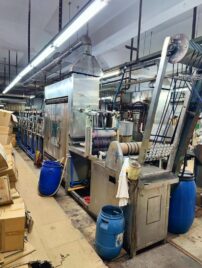
Tencel’s journey begins with sustainably harvested wood, primarily eucalyptus, birch, or oak, sourced from certified forests where trees are replanted to maintain ecological balance. The manufacturing process, known as the lyocell process, is what truly sets it apart. Unlike traditional cellulose fibers (such as rayon, which relies on harsh chemicals like carbon disulfide), Tencel production uses a non-toxic solvent called N-methylmorpholine N-oxide (NMMO). This solvent dissolves the wood pulp into a viscous solution, which is then extruded through fine nozzles into a coagulation bath to form fibers. Critically, over 99% of the solvent is recycled and reused in the process, minimizing waste and reducing environmental impact.
This closed-loop system not only lowers emissions but also conserves water: Tencel production uses significantly less water than cotton farming, making it a champion of resource efficiency.
The Allure of Tencel: Qualities That Captivate
Tencel’s popularity stems from its exceptional physical properties, which cater to both comfort and functionality:
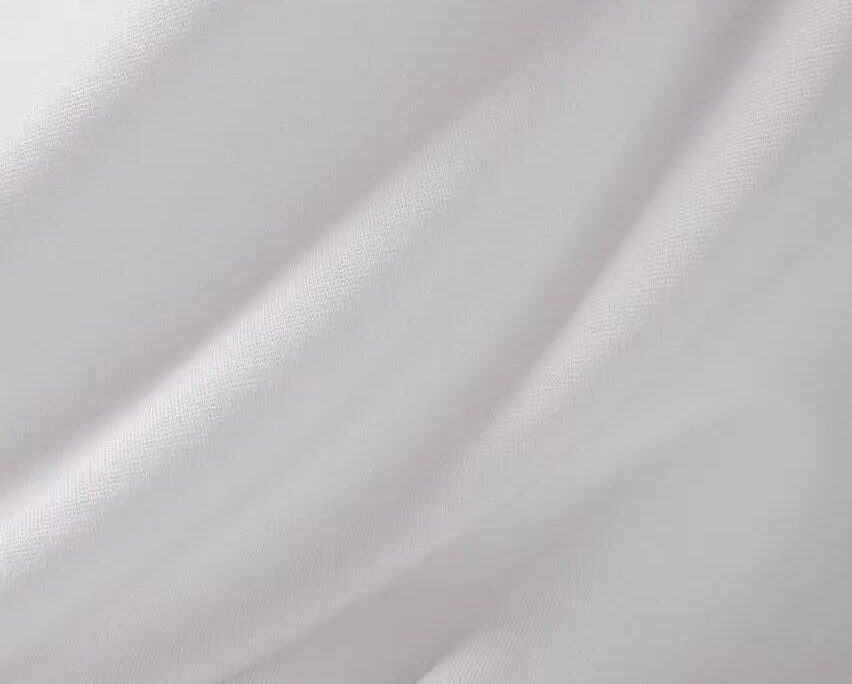
- Unmatched Softness: The fiber’s smooth, round cross-section creates a fabric that feels silky against the skin, often compared to modal or bamboo but with a subtle weight that adds drape and elegance. It’s gentle enough for sensitive skin, making it ideal for lingerie, loungewear, and baby clothing.
- Moisture Management: Tencel fibers have a unique capillary structure that wicks moisture away from the body, keeping the wearer cool and dry. This makes it a favorite for activewear, summer dresses, and bedding, where breathability is key.
- Strength and Durability: Despite its softness, Tencel is surprisingly robust. It retains its shape well even after repeated washes, and its wet strength (resistance to tearing when damp) surpasses many natural fibers, reducing pilling and extending garment lifespan.
- Versatility in Design: Tencel blends beautifully with other fibers—cotton, linen, wool, or spandex—enhancing their qualities. It takes dye exceptionally well, yielding rich, long-lasting colors, and can be woven or knitted into fabrics ranging from lightweight jerseys to crisp shirting materials.
Tencel in Fashion and Beyond
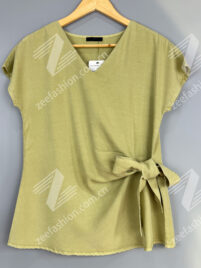
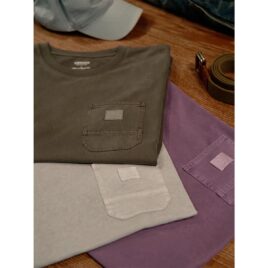
The fashion industry has embraced Tencel for its ability to align with both luxury and sustainability goals. High-end designers use it for flowing dresses and tailored pieces, drawn to its drape and eco-credentials, while fast-fashion brands incorporate it into everyday basics to meet consumer demand for greener options. Beyond clothing, Tencel shines in home textiles: bed sheets, towels, and upholstery benefit from its moisture-wicking properties and soft touch, creating a more comfortable living environment.
A Fiber for the Future
As consumers and brands prioritize sustainability, Tencel has emerged as a poster child for responsible textile production. Its closed-loop manufacturing, renewable sourcing, and biodegradability (the fiber breaks down naturally when discarded) address key concerns in the fashion industry’s push toward circularity.
In a world where “green” often comes with compromises, Tencel proves that luxury, performance, and environmental responsibility can coexist. It’s more than a fabric—it’s a step forward in reimagining how we create and consume textiles, one soft, sustainable thread at a time.